In an increasingly visual world, photography has evolved far beyond a hobby—it has become a powerful tool of connection, identity, and even resistance. From the alleyways of Marrakech to the streets of Tokyo, people around the globe are using photography to capture their realities, share their truths, and reimagine how we see the world. In 2025, the art of photography is no longer limited to professionals or those with expensive equipment. With powerful cameras embedded in nearly every smartphone and editing apps accessible to all, the global population has become a generation of storytellers. A New Language of Expression Photography has become the most universal visual language—transcending borders, politics, and even spoken words. A single image can spark movements, ignite conversations, and bring attention to marginalised voices. From the war-torn zones of Gaza and Ukraine to peaceful protests in Europe and climate marches in South America, everyday citizens are documenting history in real time. These raw, unfiltered images often make their way to global audiences faster than traditional news media. "The smartphone is the new pen," says French photojournalist Camille Laurent. "People don’t just take photos—they share their worldviews." The Rise of Visual Identity In cities like New York, Seoul, and Berlin, photography has become deeply intertwined with personal branding. On platforms like Instagram and Threads, visuals are the currency of influence. Whether it’s fashion, travel, activism, or mental health, photography is the lens through which individuals craft and project their identity. This has also sparked a global aesthetic—where minimalist cafes in Istanbul resemble those in Paris, and sunlit "golden hour" selfies are universal. Yet within this visual sameness, cultural uniqueness is also being celebrated. Photographers are reclaiming their heritage—using traditional attire, rural landscapes, and local rituals to tell stories that challenge stereotypes and global homogenisation. AI, Ethics & The Future As artificial intelligence blends with photography, questions of ethics and authenticity are surfacing. AI-generated portraits and edited realities raise concerns about truth, body image, and media manipulation. Yet, at the same time, AI tools are empowering more people to create stunning visuals without formal training—democratising creativity in ways never imagined. "We're entering an era where the line between photography and digital art is blurring," notes Japanese visual artist Rei Nakamura. "But the emotion behind the image still matters most." A Global Bond In refugee camps in Jordan, schoolchildren are given disposable cameras to capture their lives. In Scandinavian forests, nature photographers use drones to document wildlife. On African coastlines, photographers are preserving indigenous stories that were never written down. Despite the diversity of context, one thing is clear: photography connects humanity. It offers empathy. It builds bridges. In the words of American photographer Dorothea Lange, "Photography takes an instant out of time, altering life by holding it still." And today, more than ever, the world is watching—frame by frame.
In an increasingly visual world, photography has evolved far beyond a hobby—it has become a powerful tool of connection, identity, and even resistance. From the alleyways of Marrakech to the streets of Tokyo, people around the globe are using photography to capture their realities, share their truths, and reimagine how we see the world. In 2025, the art of photography is no longer limited to professionals or those with expensive equipment. With powerful cameras embedded in nearly every smartphone and editing apps accessible to all, the global population has become a generation of storytellers. A New Language of Expression Photography has become the most universal visual language—transcending borders, politics, and even spoken words. A single image can spark movements, ignite conversations, and bring attention to marginalised voices. From the war-torn zones of Gaza and Ukraine to peaceful protests in Europe and climate marches in South America, everyday citizens are documenting history in real time. These raw, unfiltered images often make their way to global audiences faster than traditional news media. "The smartphone is the new pen," says French photojournalist Camille Laurent. "People don’t just take photos—they share their worldviews." The Rise of Visual Identity In cities like New York, Seoul, and Berlin, photography has become deeply intertwined with personal branding. On platforms like Instagram and Threads, visuals are the currency of influence. Whether it’s fashion, travel, activism, or mental health, photography is the lens through which individuals craft and project their identity. This has also sparked a global aesthetic—where minimalist cafes in Istanbul resemble those in Paris, and sunlit "golden hour" selfies are universal. Yet within this visual sameness, cultural uniqueness is also being celebrated. Photographers are reclaiming their heritage—using traditional attire, rural landscapes, and local rituals to tell stories that challenge stereotypes and global homogenisation. AI, Ethics & The Future As artificial intelligence blends with photography, questions of ethics and authenticity are surfacing. AI-generated portraits and edited realities raise concerns about truth, body image, and media manipulation. Yet, at the same time, AI tools are empowering more people to create stunning visuals without formal training—democratising creativity in ways never imagined. "We're entering an era where the line between photography and digital art is blurring," notes Japanese visual artist Rei Nakamura. "But the emotion behind the image still matters most." A Global Bond In refugee camps in Jordan, schoolchildren are given disposable cameras to capture their lives. In Scandinavian forests, nature photographers use drones to document wildlife. On African coastlines, photographers are preserving indigenous stories that were never written down. Despite the diversity of context, one thing is clear: photography connects humanity. It offers empathy. It builds bridges. In the words of American photographer Dorothea Lange, "Photography takes an instant out of time, altering life by holding it still." And today, more than ever, the world is watching—frame by frame.

In an increasingly visual world, photography has evolved far beyond a hobby—it has become a powerful tool of connection, identity, and even resistance. From the alleyways of Marrakech to the streets of Tokyo, people around the globe are using photography to capture their realities, share their truths, and reimagine how we see the world. In 2025, the art of photography is no longer limited to professionals or those with expensive equipment. With powerful cameras embedded in nearly every smartphone and editing apps accessible to all, the global population has become a generation of storytellers. A New Language of Expression Photography has become the most universal visual language—transcending borders, politics, and even spoken words. A single image can spark movements, ignite conversations, and bring attention to marginalized voices. From the war-torn zones of Gaza and Ukraine to peaceful protests in Europe and climate marches in South America, everyday citizens are documenting history in real time. These raw, unfiltered images often make their way to global audiences faster than traditional news media. "The smartphone is the new pen," says French photojournalist Camille Laurent. "People don’t just take photos—they share their worldviews." The Rise of Visual Identity In cities like New York, Seoul, and Berlin, photography has become deeply intertwined with personal branding. On platforms like Instagram and Threads, visuals are the currency of influence. Whether it’s fashion, travel, activism, or mental health, photography is the lens through which individuals craft and project their identity. This has also sparked a global aesthetic—where minimalist cafes in Istanbul resemble those in Paris, and sunlit "golden hour" selfies are universal. Yet within this visual sameness, cultural uniqueness is also being celebrated. Photographers are reclaiming their heritage—using traditional attire, rural landscapes, and local rituals to tell stories that challenge stereotypes and global homogenization. AI, Ethics & The Future As artificial intelligence blends with photography, questions of ethics and authenticity are surfacing. AI-generated portraits and edited realities raise concerns about truth, body image, and media manipulation. Yet, at the same time, AI tools are empowering more people to create stunning visuals without formal training—democratizing creativity in ways never imagined. "We’re entering an era where the line between photography and digital art is blurring," notes Japanese visual artist Rei Nakamura. "But the emotion behind the image still matters most." A Global Bond In refugee camps in Jordan, schoolchildren are given disposable cameras to capture their lives. In Scandinavian forests, nature photographers use drones to document wildlife. On African coastlines, photographers are preserving indigenous stories that were never written down. Despite the diversity of context, one thing is clear: photography connects humanity. It offers empathy. It builds bridges. In the words of American photographer Dorothea Lange, "Photography takes an instant out of time, altering life by holding it still." And today, more than ever, the world is watching—frame by frame.
In the heart of Bangladesh’s fast-paced capital, a quiet revolution is taking place. Young professionals and millennials in Dhaka are increasingly embracing the global ‘slow living’ movement—choosing mindfulness, minimalism, and quality time over consumerism and constant hustle. From cozy book cafés in Dhanmondi to weekend pottery classes in Banani, urban dwellers are creating intentional pauses in their busy routines. This shift, many say, is about regaining control over their time and well-being. "I used to feel guilty for not being productive 24/7," says Rifa Mahmud, a 29-year-old graphic designer. "But now I’ve realized that slowing down helps me think clearer and live better." The slow living trend, popularized in the West through movements like hygge in Denmark or lagom in Sweden, has taken on a unique Bangladeshi twist. Locals are reviving traditional leisure activities—such as rooftop gardening, handcrafts, and reading Bangla literature—as part of this lifestyle shift. Retailers and cafés are also adapting. Businesses like The Lotus Lounge in Gulshan offer "no WiFi" zones to encourage conversation and relaxation. Homegrown brands are launching minimalist, eco-conscious clothing lines and locally made wellness products. Mental health experts applaud the trend, noting that Dhaka’s intense work culture and traffic stress contribute to burnout. "Slow living offers a necessary mental detox," says Dr. Tanjina Rahman, a clinical psychologist. "It’s not laziness—it’s survival with intention." Even social media is feeling the change. Influencers are switching gears from promoting luxury lifestyles to sharing moments of stillness, journaling, or slow food recipes. What’s Next? With growing awareness, the slow living movement is expected to grow, especially among the educated middle class. While challenges remain—such as the culture of overtime and digital overload—many believe this new mindset is here to stay. "Slowing down doesn’t mean giving up," says Rifa. "It means living with meaning."
In 2025, lifestyle is less about luxury and more about balance — between screens and silence, speed and stillness, consumption and sustainability. Around the globe, people are rethinking how they live, work, dress, and even breathe. Here are the top lifestyle trends and shifts redefining daily life today: 🧠 1. Digital Detoxing Is the New Luxury With burnout on the rise, more people are choosing "dopamine detox days" — 24-hour breaks from screens, social media, and even smart devices. Wellness resorts from Bali to Barcelona now offer “digital silence zones,” where phones are locked away, and mindfulness is practiced in its purest form. 📝 Fun Fact: A recent global survey shows that 58% of Gen Z are limiting screen time to under 4 hours on weekends. 🌱 2. Eco-Minimalism Replaces Fast Fashion Fashion is going slow — and sustainable. In 2025, more people are buying fewer but higher-quality clothes. Local brands, upcycled fabrics, and even digital fashion (yes, for your avatar) are in high demand. Capsule wardrobes are trendy again — think fewer than 30 pieces per season. ♻️ Spotlight Brand: “ThreadAgain,” a Bangladeshi startup, is gaining global attention for turning old saris into stunning modern wear. 🏡 3. Work-Life Spaces Go Hybrid The work-from-home model has evolved. Now, most homes feature zoned living: areas optimized for productivity, relaxation, or socialization. Smart lighting, standing desks, noise-canceling panels, and nature-inspired interior design are becoming essentials — not extras. 🪴 Top Tip: Adding even one indoor plant to your workspace can reduce stress levels by up to 40%, studies say. 🍲 4. ‘Food as Medicine’ Gets Mainstream Wellness is now being served on the plate. From gut-friendly fermented foods to brain-boosting herbs like ashwagandha and lion’s mane, diets are more intentional than ever. In cities like Dhaka, Dubai, and Singapore, "functional cafés" are popping up — where turmeric lattes and collagen smoothies are daily staples. 🍋 Try This: Warm lemon water with chia seeds every morning — it’s a 2025 favorite for digestion and hydration. 🌍 5. Living Local, Thinking Global Whether it’s shopping from neighborhood farmers' markets, joining local book clubs, or volunteering weekly, people are reclaiming community. But thanks to global connectivity, they’re also learning yoga from India, cooking Korean dishes, and sharing stories with strangers in seconds. 🤝 Quote of the Week: “The future of lifestyle is both inward and outward — calm within, connected beyond.” — Aditi Rahman, lifestyle psychologist. ✨ Final Thought The way we live today isn’t just about trends — it’s about intention. Lifestyle in 2025 is a conscious choice to slow down, simplify, and seek meaning in the everyday. Whether you’re starting small with a 10-minute morning routine or switching to organic groceries, remember — change starts at home. What’s one lifestyle habit you’ve changed this year? Drop a comment below — or share this article with a friend who needs a little life refresh.

In the pursuit of knowledge, studying becomes a transformative experience. It stretches our minds, pushing the boundaries of our understanding. It invites us to explore new disciplines, to embrace unfamiliar perspectives, and to challenge preconceived notions. With each subject we delve into, we gain a broader worldview, a deeper empathy for others, and a heightened sense of curiosity. Studying is not always an easy path. It requires discipline, perseverance, and dedication. There are moments of frustration, when concepts seem elusive, and information feels overwhelming. But it is through these challenges that we grow, developing resilience and the ability to overcome obstacles. The struggles we face in our studies shape us into more resilient individuals, equipping us with the tools to tackle future endeavors. Yet, studying is not solely an individual pursuit. It is a collaborative endeavor, where ideas are shared, debates are sparked, and collective knowledge is built. Engaging in group discussions, collaborating on projects, and seeking guidance from mentors and peers enhance our learning experience. Together, we forge connections, cultivate diverse perspectives, and foster a community of lifelong learners. Studying also kindles the flame of curiosity within us. It instills a hunger for discovery, for unraveling the mysteries of the universe. It ignites a desire to explore, to seek answers to the questions that pique our interest. Through studying, we embark on a continuous journey of growth, for there is always more to learn, to question, and to understand.

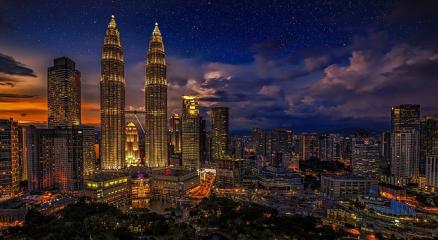
Navigating the Frontier of AI Tools and Automation: Challenges and Importance in Today's World
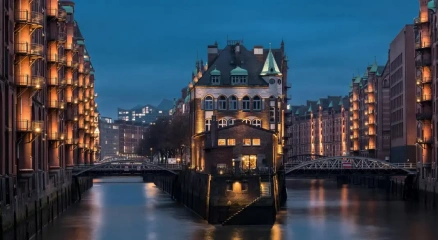
Demographic Shifts in the United States: A Changing Nation Over Time
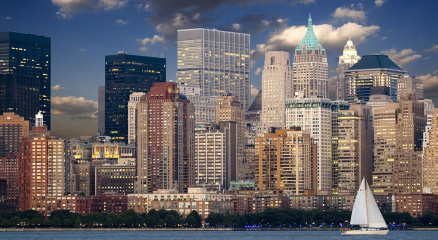
Supreme Court Ruling on Presidential Immunity Sparks Nationwide Debate

Global Stock Markets Mixed Amid Inflation Worries and Earnings Reports
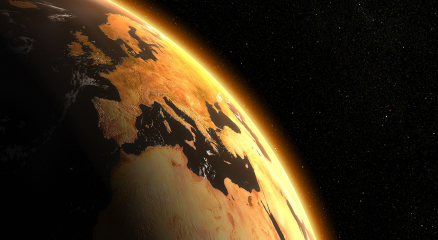
Tensions and Conflict Define Recent Months In the last few months, the global political landscape