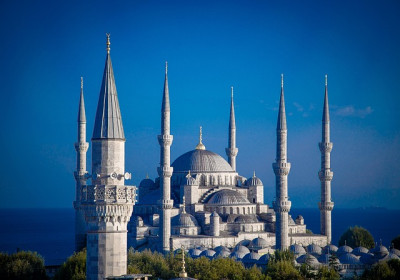
In the face of growing environmental concerns and a global push for greener alternatives, train travel has emerged in 2025 as one of the most promising solutions for sustainable tourism. With lower emissions, rising consumer interest in eco-conscious travel, and significant investment in modern rail infrastructure, trains are redefining the way people explore the world. More than a nostalgic throwback, rail journeys today offer comfort, speed, and environmental responsibility—qualities that align with the values of the modern traveler. Here are the key reasons why train travel is gaining momentum as the future of sustainable tourism:
Trains produce significantly fewer greenhouse gas emissions compared to airplanes or cars. Electric and high-speed rail systems, now common in many parts of Europe and Asia, offer one of the cleanest forms of long-distance transportation. As climate change concerns grow, both tourists and governments are recognizing rail’s role in reducing the carbon footprint of global travel. Train stations are often located in the heart of cities and towns, directly connecting tourists with local businesses, markets, and attractions. This helps distribute tourism income more evenly—particularly to smaller or rural communities that are bypassed by major airlines. The result is a more inclusive, grassroots tourism model that benefits a wider range of people.
Countries around the world are heavily investing in high-speed rail infrastructure. Networks connecting major cities and even cross-border regions are making train travel faster and more convenient than ever. In many cases, high-speed trains now rival or outperform air travel when total journey time—including airport transfers and security—is considered.Trains offer a slower, more mindful travel experience, allowing passengers to enjoy scenic routes, changing landscapes, and cultural transitions along the way. Unlike flights, which are often stressful and rushed, rail journeys provide spacious seating, onboard amenities, and uninterrupted views, turning the journey itself into part of the adventure.
Modern rail travel is enhanced by digital ticketing, real-time updates, mobile booking apps, and AI-powered route planning. Wi-Fi connectivity and smart onboard systems are turning trains into fully connected environments that suit the needs of both leisure and business travelers. These innovations help make train journeys smoother, safer, and more enjoyable. Today’s travelers—especially younger generations—are more environmentally and socially conscious. Many actively choose lower-emission options and seek authentic, slower-paced experiences that align with their values. Trains match this shift in mindset, offering a responsible way to explore the world without sacrificing comfort or convenience.
Train travel in 2025 is no longer just a practical alternative—it is a symbol of the tourism industry's transformation toward sustainability. With growing awareness of climate change, advancements in rail technology, and a collective desire for meaningful, lower-impact journeys, trains are on track to become the preferred mode of travel for the environmentally responsible tourist. As the world looks toward greener horizons, the rails are leading the way.
Navigating the Frontier of AI Tools and Automation: Challenges and Importance in Today's World
Demographic Shifts in the United States: A Changing Nation Over Time

Supreme Court Ruling on Presidential Immunity Sparks Nationwide Debate

Global Stock Markets Mixed Amid Inflation Worries and Earnings Reports

Tensions and Conflict Define Recent Months In the last few months, the global political landscape




Tourism Rebounds Strongly in 2025 as Travelers Seek New Adventures Post-Pandemic The global tourism industry has entered a period of remarkable recovery in 2025, following several years of pandemic-related disruption. With the lifting of most travel restrictions, renewed consumer confidence, and a deep craving for exploration, tourism has surged across continents. Experts say this rebound is not merely a return to old patterns, but a reshaping of how people travel, what they value, and how the industry responds. International Travel Reaches Record Levels Countries around the world have seen a significant rise in international arrivals. Popular destinations like France, Thailand, Italy, and Mexico are reporting visitor numbers that not only match but exceed pre-pandemic figures. Airports are bustling, cruise ships are sailing at full capacity, and global airlines have reinstated and even expanded routes. This surge is being driven by both leisure and business travelers eager to reconnect with the world. Tourists Demand Deeper, More Meaningful Experiences Travelers in 2025 are no longer satisfied with generic sightseeing tours. There is a growing demand for immersive experiences—whether it's living with a local family in a remote village, joining a traditional cooking class, or volunteering in conservation projects. This shift reflects a deeper desire for cultural understanding, personal growth, and making lasting memories, rather than just collecting passport stamps. Technology Transforms the Travel Experience Advancements in technology have revolutionized every stage of the travel journey. From AI-powered itinerary planners and mobile boarding passes to biometric check-ins and real-time translation apps, modern travelers are enjoying unprecedented convenience. Virtual reality previews and augmented reality tours are also helping travelers plan smarter and engage more deeply with destinations. Sustainability Becomes a Core Concern Post-pandemic travelers are more environmentally conscious than ever before. Eco-tourism has moved from niche to mainstream, with tourists choosing green-certified hotels, carbon offset flights, and low-impact transport options. Many are also seeking out destinations that emphasize environmental protection, wildlife preservation, and sustainable development. Tour operators and governments are responding by investing in responsible travel infrastructure and education. Flexible Booking and Safety Measures Still Matter Despite the easing of global health threats, travelers remain cautious. Flexible booking policies, free cancellations, and comprehensive travel insurance are considered essential. Tourists also favor destinations with clear safety protocols and reliable healthcare systems. These preferences are shaping the policies of airlines, hotels, and tour agencies, which now compete not only on price and location but on traveler assurance. Domestic and Regional Tourism Remains Strong While international travel has boomed, domestic tourism has also seen steady growth. Many travelers are discovering hidden gems within their own countries—national parks, cultural heritage sites, and lesser-known towns—thanks to local government campaigns and improved transportation networks. Weekend getaways, road trips, and regional cruises are more popular than ever, helping stimulate local economies and reduce pressure on overcrowded hotspots. Travel Trends Are Redefining Industry Standards. From "workcations" that blend business with leisure to solo female travel and multi-generational family trips, the diversity of travel preferences is expanding. Social media continues to influence destination choices, while personalized travel experiences—tailored by data and AI—are raising expectations across the industry. The result is a tourism ecosystem that is more agile, inclusive, and innovative.




They say some places feel like a dream even when you’re wide awake—and for me, Cappadocia, Turkey was exactly that. From the moment I arrived in the quiet town of Göreme, nestled among soft volcanic rock formations, I knew this trip would be different. Not rushed. Not crowded. Just deeply personal and soul-refreshing. And it started—quite literally—with a hot air balloon ride at dawn. A Sky Full of Magic Waking up at 4:30 a.m. wasn’t easy, but the silence of the pre-sunrise sky made every yawn worth it. As our balloon gently rose, the horizon began to blush with orange and pink. Below us, hundreds of fairy chimneys, ancient caves, and rock-carved churches glowed in soft morning light. And above? Dozens of other balloons floated quietly—no noise, no chaos, just the soft sound of wind and the occasional whoosh of fire. It wasn’t a ride—it was meditation in the sky. Underground Cities & Ancient Souls Later that day, I explored Derinkuyu, one of Cappadocia’s underground cities, stretching nearly 200 feet deep. Walking through narrow tunnels and ancient ventilation shafts, I imagined how thousands once hid here during invasions. There’s something humbling about standing in a place where people lived, survived, and prayed without sunlight—yet with hope. Staying in a Cave Hotel (Yes, Really) What made my trip even more surreal was sleeping in a cave. I stayed at a cozy cave hotel with stone walls, warm lighting, and a rooftop terrace perfect for stargazing. The temperature inside was always cool, even when the sun baked the valley outside. At night, sipping Turkish tea under a sky full of stars and the silhouette of mountains in the distance—I felt completely present. No noise. No notifications. Just peace. Food, People, and Unexpected Moments The people of Cappadocia are gentle and proud of their heritage. Every shop owner I met shared a story—about how their family carved stones, or grew apricots in the valley. I ate manti (Turkish dumplings), sipped apple tea, and tried testi kebab—a meat stew cooked inside a clay pot, which the waiter cracked open right in front of me with a tiny hammer.Every meal felt like a celebration, even when I was alone. Why You Should Go Cappadocia isn’t a place for flashy travel photos—although it’s impossible to take a bad one. It’s a place for quiet joy, ancient echoes, and reconnecting with the part of you that wants to slow down. If you’ve been looking for a sign to disconnect from the digital world and lose yourself in the sky, in history, and in simple human connection—this is it. Travel Tips: Best time to visit: April–June or September–October (less heat, fewer crowds) Bring warm clothes for early mornings—even in summer Book balloon rides in advance—they sell out fast! Try to stay in Göreme or Ürgüp for the best cave hotel experience Final Thought: Cappadocia didn’t just give me a vacation. It gave me stillness, wonder, and a reminder that the world is wide—and we are small, but blessed to explore it.